
Choosing a Xero multi entity setup is less about ticking a software box and more about deciding how you want group finance to run. You need clean control at entity level, fast reporting at group level, and far less spreadsheet repair in between. This guide shows what to look for before you commit.
Why Xero Gets Shortlisted for Multi-Entity Finance
Xero earns a place on the shortlist because it is a strong cloud accounting hub. You get real-time access, strong bank feeds, unlimited users, and a large ecosystem of connected tools. At scale, those strengths matter because finance does not sit in one office or one function anymore. You need shared visibility across accounting, operations, advisers, and management.
Xero also has market depth. With over 4.9 million customers, it is an established platform rather than an experimental one. That matters when you are standardising finance across multiple entities and want a system your teams, accountants, and app partners already understand.
Where Xero Fits Best
Xero fits best when your group has several legal entities, branches, or subsidiaries and needs better control without ERP overhead. If your structure is owner-managed or finance-led, and your priority is visibility, standard workflows, and connected reporting, Xero is a practical foundation. That is especially relevant in Cyprus and Greece, where many businesses want tighter control across trading entities without introducing a heavyweight enterprise platform too early.
Where Complexity Starts to Outgrow the Core Platform
Here is the line: Xero is accounting software, not a full group finance platform. Once your business depends on advanced consolidation, heavy intercompany activity, complex foreign currency treatment, or highly structured group reporting, the core platform stops being enough on its own. At that point, your decision is not just about Xero. It is about the surrounding architecture.
What to Look For in Xero for a Multi-Entity Business
You should evaluate Xero through one lens: does it give you control, speed, and reporting accuracy across the whole group without manual work multiplying every month-end?
Separate Entity Management Without Losing Group Visibility
Each entity needs to stay separate for legal, tax, and operational reasons. That means separate records, clear access boundaries, and clean books for each company. But leadership still needs one connected view across the group.
The practical test is simple: can you standardise the chart of accounts, close process, coding rules, and reporting structure across every entity? If not, multi-entity reporting becomes messy fast. Clean group visibility starts with disciplined entity design.
Consolidation and Group Reporting
This is the make-or-break requirement. Running multiple Xero organisations is not the same as having proper group reporting. You need a clear method for consolidated profit and loss, balance sheet visibility, KPI tracking, and month-end roll-up.
For many businesses, this means adding reporting software on top of Xero. That is normal. In fact, multi-entity reporting is one of the most common reasons finance teams extend Xero with specialist tools.
Intercompany Transactions and Reconciliations
Intercompany charges, shared services, loans, cross-charging, and eliminations destroy reporting speed when the workflow is weak. If those transactions live in email threads and spreadsheets, your reporting is already late.
You need a clear process for due-to and due-from balances, approvals, posting logic, and month-end reconciliation. Software helps, but process design matters just as much. If your operating model is loose, no platform will rescue it.
User Access, Approvals, and Financial Controls
One of Xero’s real strengths is unlimited users. That gives you flexibility to involve finance staff, external advisers, and operational managers without stacking user licence costs across entities.
But access alone is not control. You should review role permissions, approval steps, audit visibility, and locked periods before buying. If approval routing is a problem today, it is worth looking at ways to tighten sign-offs before rolling Xero out across multiple entities.
Multi-Currency, Tax, and Local Compliance
If your group trades across jurisdictions, this section matters more than price. Review VAT handling, foreign currency requirements, local payroll workflows, and statutory reporting expectations in Cyprus and Greece. UK-focused features such as MTD are useful if you report there, and Xero is MTD-compatible for VAT, but that does not answer local compliance requirements elsewhere.

The Features That Matter Most Before You Buy
The right features reduce friction every day. The wrong gaps create manual work every week.
Bank Feeds, Reconciliation, and Daily Cash Visibility
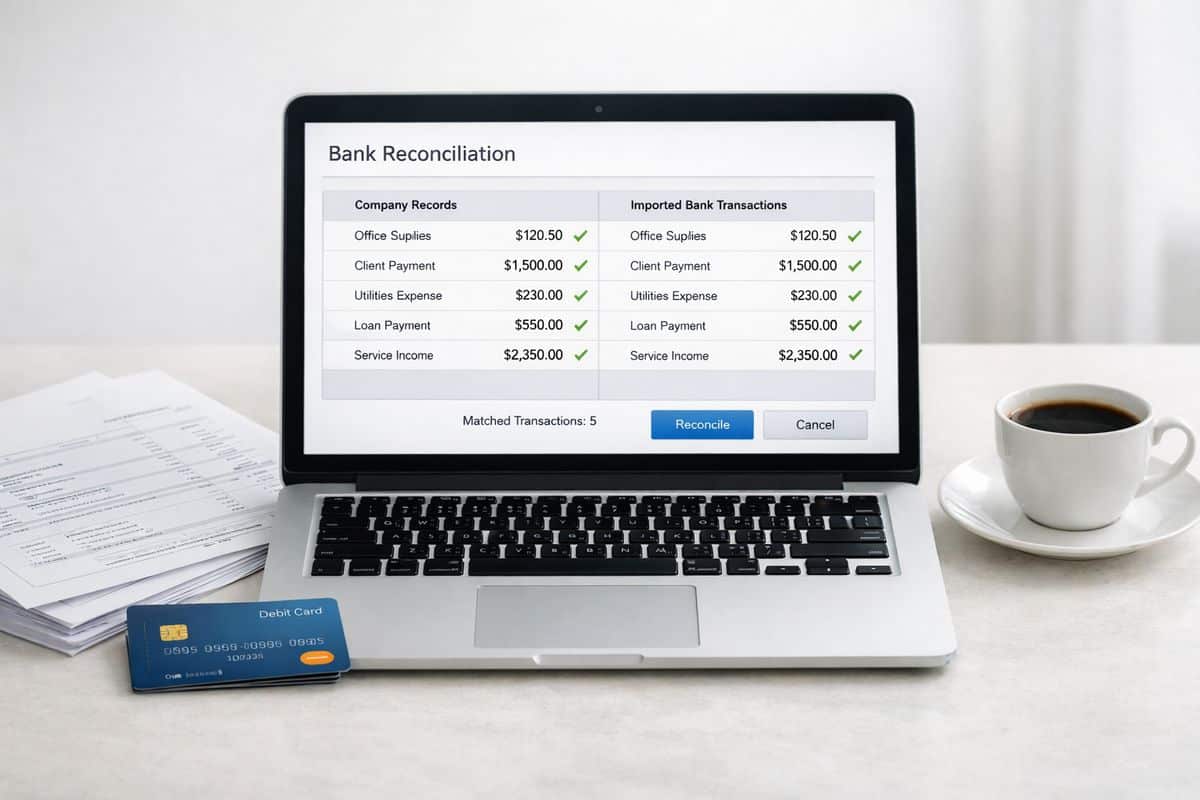
Daily cash control is one of Xero’s strongest advantages. Bank feeds import transactions each business day, and the platform’s single-screen reconciliation makes high-volume matching faster than older desktop workflows.
For a multi-entity business, this gives you earlier visibility on cash position, collections, and payment timing across the group. If cash visibility is still delayed by manual reconciliation, your decisions are delayed too. For businesses trying to remove that bottleneck, reducing reconciliation friction should sit high on the buying checklist.
Reporting Flexibility and Live Dashboards
Your finance system should not wait until month-end to become useful. You need live dashboards, management packs, entity comparisons, and KPI views that support decisions while there is still time to act.
Xero’s native reporting is flexible, but group finance usually needs more. If your board pack includes consolidation, operational KPIs, or rolling cash flow, plan for an extended reporting layer from the start. That is how you move from bookkeeping to control.
Integrations That Extend Xero Beyond Core Accounting
Xero’s value for multi-entity finance often depends on integrations more than core accounting screens. The ecosystem includes 1,000+ apps across payroll, expenses, payments, inventory, reporting, and automation.
The catch is integration quality matters more than app count. You need connected workflows, shared data logic, and clear ownership of each process. A smart stack built around /services/business-transformation thinking beats a random pile of apps every time.
Collaboration Across Finance and Operations
Cloud access changes how your teams work. Finance, operations, external accountants, and management can work from the same live data instead of passing files around. That speed is valuable, but only if your processes are aligned.
For many growing groups, the real gain comes when accounting connects to approvals, payables, budgets, and operational workflows. That is the point where platforms such as InsightFlow start to make sense alongside Xero.
Costs, Add-Ons, and the Real ROI
Xero often looks affordable at first glance. Your real cost depends on how many entities you run, which plan each entity needs, and how many add-ons you need to make group finance work properly.
Core Subscription Pricing by Plan
Xero’s UK plans currently span Ignite, Grow, Comprehensive, and Ultimate, with promotional pricing that looks low on paper. Do not buy on headline price. Map each entity’s needs first, especially if you need stronger analytics, payroll support, or multi-currency.
The Hidden Cost of a Modular Stack
A modular stack is powerful because you only buy what you need. But costs rise fast once you add payroll, expenses, AP automation, consolidation, reporting, and workflow tools across multiple companies.
That does not make Xero poor value. It means your buying process should include total stack cost, implementation effort, and ongoing admin. If you skip that step, the cheapest-looking option becomes the most expensive operationally. Before you roll out, review what slows implementation down.
When Paying More Delivers Better Control
Pay more when the outcome is measurable. Faster close. Cleaner audit trails. Less manual reconciliation. Better cash decisions. Tighter approvals. Those gains protect margin and management time.
That is also where Prodyssey Solutions tends to add value, by connecting finance, technology, and operations into one working model instead of treating software as the whole answer.
Common Buying Mistakes With Xero Multi-Entity Setups
Most multi-entity finance problems start long before the first report goes wrong.
Assuming Separate Xero Organisations Equal True Consolidation
Separate files do not create consolidated reporting. They create separate files. If your group reporting method is unclear before purchase, your close process will depend on exports, rework, and manual adjustment journals.
Ignoring Intercompany Workflow Design
Intercompany accounting needs rules. Who raises the charge, who approves it, how it posts, when balances reconcile, and how eliminations happen. Without that design, month-end becomes detective work.
Overlooking Regional Compliance and Localisation
Feature pages often lean UK or global. Your business does not operate in a generic market. If you trade in Cyprus or Greece, validate VAT handling, payroll workflow, statutory requirements, local e-invoicing expectations, and adviser support before you commit.
Choosing Apps Without a Connected Data Model
Adding apps one by one feels productive. It usually creates duplicate data, broken reporting, and extra reconciliations. You need a finance and operations architecture, not a shopping basket.
Is Xero the Right Choice for Your Business Structure?
The right answer depends on structure, reporting demands, and how much operational complexity sits behind finance.
Best Fit: Growing Groups That Need Control Without ERP Overhead
Xero is a strong fit if your group is small to mid-sized, runs multiple legal entities, needs cloud collaboration, and can standardise accounting processes across the business. It works especially well when you are prepared to extend the platform with the right tools and automation across routine finance work.
Proceed With Caution: Groups With Heavy Consolidation or Cross-Border Complexity
Proceed carefully if your group has frequent intercompany activity, advanced eliminations, demanding foreign currency requirements, high-volume AP, or board reporting that depends on tight consolidated controls. At that level, specialist add-ons or ERP-grade systems often deliver stronger long-term control.
A Practical Buyer Checklist Before You Commit
Before you decide, answer these questions clearly: how many entities you need to run, how many currencies you transact in, how much intercompany volume you process, how fast group reporting needs to land, which compliance rules apply in each jurisdiction, which apps are non-negotiable, how approvals should work, and who needs dashboard access every day.
If you cannot answer those questions yet, you are not choosing software. You are guessing.
Leave a Reply