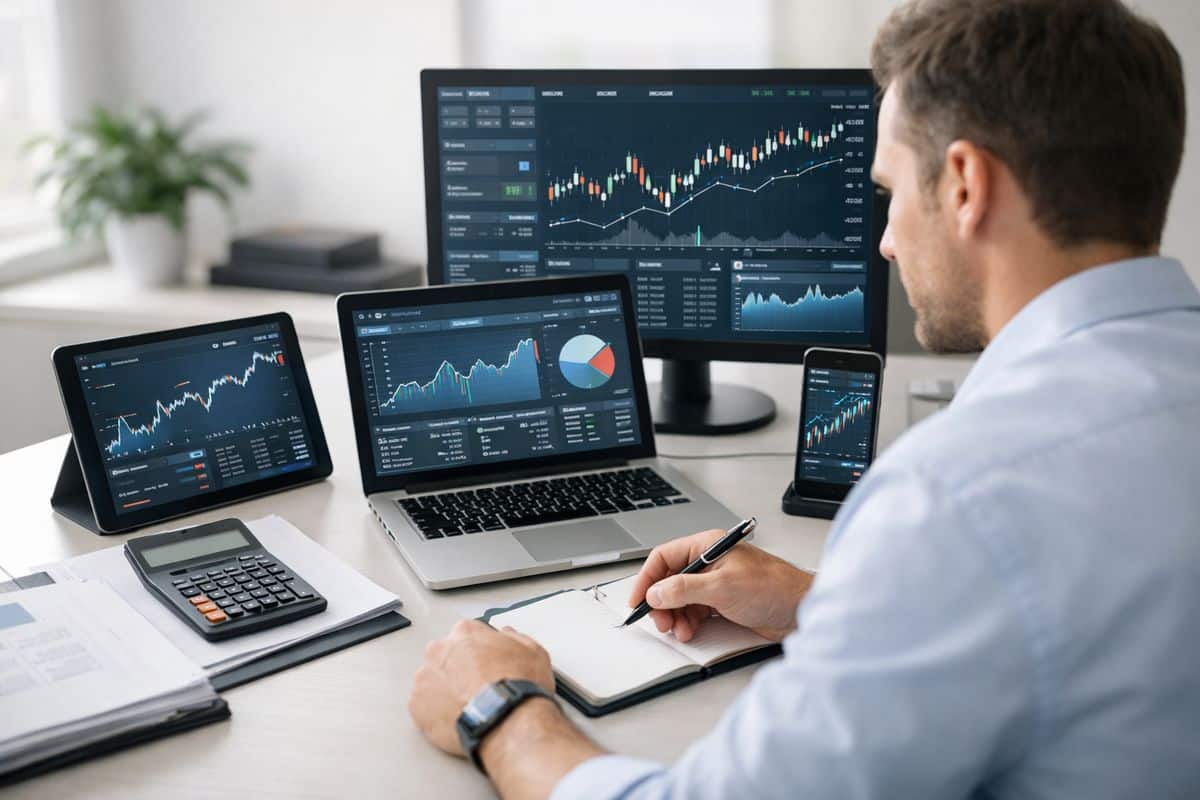
If you are asking can my accountant do real time accounting, the honest answer is yes, but only if your accountant runs on the right systems, controls, and working habits. Real-time accounting is no longer a nice extra for fast-growth businesses, it is the difference between steering the business with live numbers and reacting after the damage is already done.
What Real-Time Accounting Actually Means for Your Business
Real-time accounting means your financial records stay current as business activity happens. Sales, supplier bills, bank transactions, payroll data, expenses, and operational inputs flow into your finance system continuously, not in a batch at month-end or year-end. That gives you live visibility over cash flow, margins, working capital, and performance by department, project, site, or product line.
This is not just bookkeeping done faster. It is a live control system. You stop waiting weeks to learn what happened and start seeing what is happening now. For an owner, director, or financial controller, that changes the quality of every decision. Pricing, stock buys, hiring, capital spend, and debtor chasing all improve when the numbers are current.
Real-Time Accounting vs Traditional Year-End or Monthly Accounting
Traditional accounting runs after the fact. Transactions sit in inboxes, bank lines wait for manual matching, spreadsheets move around by email, and reporting only appears once the period is already closed. By the time you receive management accounts, the business has already moved on.
That delay creates blind spots. You cannot manage cash tightly if reconciliations are behind. You cannot spot margin leakage if cost data lands weeks late. You cannot close quickly if the finance process still depends on desktop files, manual handoffs, and duplicate entry. If that sounds familiar, month-end reporting delays are already shaping decisions more than your actual numbers are.
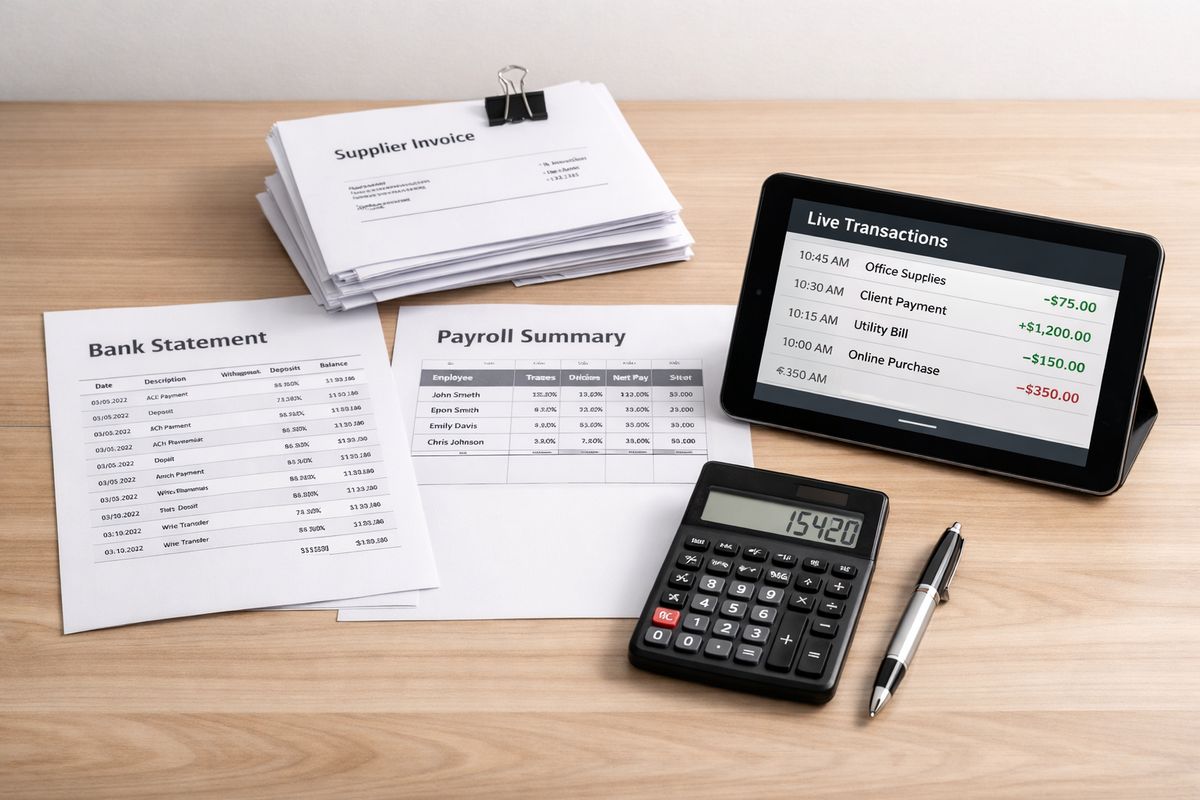
Can Your Accountant Do Real-Time Accounting? Yes, If the Right Capabilities Are in Place
Your accountant’s title does not answer the question. Capability does. A small practice can deliver real-time finance support if it has the right operating model. A large firm can fail badly if it still works like a traditional compliance shop.
Real-time delivery depends on three things: connected cloud systems, disciplined workflows, and active review. If one of those is missing, you do not have real-time accounting. You have accounting software with a marketing label.
The Core Stack Your Accountant Needs
Start with cloud accounting software. That is the foundation. Bank feeds, invoice capture, expense tools, payroll links, stock or project integrations, approval workflows, and reporting dashboards sit on top. If your accountant cannot connect the ledger to the way your business actually runs, live reporting breaks down fast.
The market is already moving this way. In the UK, 47% of accountants already use cloud-based software and another 34% use a hybrid model. More importantly, 56% expect cloud to become the standard. That tells you something useful: real-time capability is no longer experimental. It is becoming baseline.
But cloud access alone is not enough. Your accountant also needs automation rules, reconciliation routines, exception handling, and dashboard logic that turns raw postings into useful management information. That is where businesses start seeing the real gains described in connected finance workflows, not just cleaner ledgers.
Why Human Oversight Still Matters
Automation speeds up transaction processing. AI can flag anomalies, classify expenses, suggest matches, and reduce manual admin. None of that removes the need for judgement. In fact, faster systems raise the value of judgement because bad assumptions spread faster too.
Your accountant still needs to review outputs, challenge anomalies, protect compliance, and interpret what the numbers mean. A live dashboard without review is just a faster way to publish errors. The real value comes when technology handles the repetitive work and your accountant focuses on exceptions, patterns, and decisions.
The Business Outcomes You Should Expect From a Real-Time Accounting Partner
A good real-time accounting partner does not sell software access. You should expect tighter control, better decisions, and faster finance cycles. If the service stops at bookkeeping automation, it is unfinished.
Faster Close, Better Forecasting, Stronger Cash Flow Control
The first visible win is speed. Reconciliations happen continuously, not in a frantic rush after month-end. That shortens close time, improves management reporting, and gives you earlier warnings on problems.
The productivity gains are real. Accountants using AI-powered tools have been shown to close monthly statements 7.5 days faster and spend less time on routine processing. That time moves into review, communication, and forecasting, exactly where growing businesses need support.
Cash flow control also improves because you stop relying on the bank balance as your main signal. Live payables, receivables, payroll liabilities, and committed costs tell a far better story. If cash discipline is a pressure point, stronger day-to-day visibility over liquidity is usually the fastest operational upgrade you can make.
Live Dashboards and More Actionable KPIs
Once systems are connected properly, dashboards stop being vanity charts and become decision tools. You can track revenue trends, gross margin, debtor days, stock movement, project profitability, cost per site, labour efficiency, and working capital in one view.
That matters because operational issues show up in finance before they show up in annual accounts. A delayed debtor pattern, rising supplier concentration, falling margin by job type, or weak stock turnover all become visible earlier. Real-time accounting works best when finance and operations are linked, not treated as separate reporting worlds. That is why businesses increasingly invest in dashboards tied to financial performance instead of static monthly packs.
More Advisory Value, Not Just More Data
More data alone does not help you. Better interpretation does. A modern accounting partner uses live numbers to advise on pricing, hiring, expansion timing, credit control, supplier terms, and investment decisions.
This is exactly where the profession is moving. 93% of firms now offer advisory services, which reflects a clear client expectation: finance support should guide action, not just document history. If your accountant delivers reports but no commercial insight, the model is outdated.
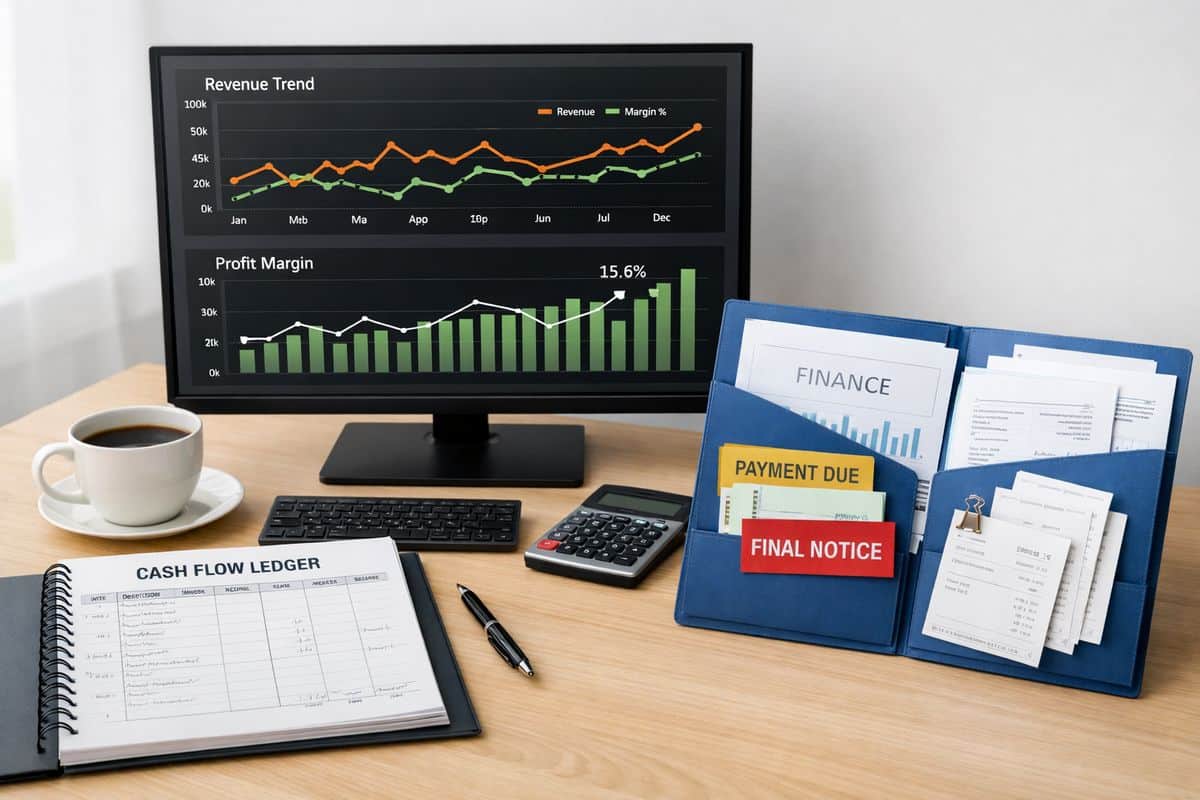
How to Assess Whether Your Accountant Is Equipped for Real-Time Delivery
Treat this like a buying decision, not a relationship question. You are assessing delivery capability.
Questions to Ask About Systems, Integrations, and Reporting
Ask direct questions. Which cloud platform runs the core ledger? Which apps connect to expenses, payroll, invoicing, stock, or projects? How often are bank transactions reconciled? How are supplier bills captured and approved? What dashboards are available live? How quickly are management accounts produced after month-end? Can forecasting and scenario planning be updated during the month?
The quality of the answers matters as much as the content. A capable provider answers clearly and operationally. A weak provider drifts into generalities about experience and service.
Security, Access Controls, and Data Governance
Security is non-negotiable. Your accountant should use encryption, multi-factor authentication, role-based access, audit trails, backups, and documented incident response processes. Secure client portals matter too, especially when invoices, payroll files, and tax documents move between teams regularly.
Security concerns are real, but mature cloud use is now trusted across the profession. Despite worries about cyber-attacks and privacy, 97% of accountants mostly or totally trust the cloud for working and storing data. The issue is no longer cloud versus non-cloud. The issue is whether your provider manages the cloud properly.
Signs Your Accountant Is Still Operating in a Traditional Model
The red flags are easy to spot once you know what to look for. Your accountant relies on emailed spreadsheets, asks for bank statements manually, posts supplier invoices by hand, reconciles infrequently, and produces reports well after month-end. Dashboard access is missing. System integration knowledge is thin. Commercial advice is limited to tax deadlines and year-end adjustments.
If the operating model feels document-heavy and backward-looking, it is traditional accounting with modern branding.
Common Mistakes Businesses Make When Choosing a “Real-Time” Accountant
The phrase sounds attractive, which is exactly why weak providers use it loosely.
Confusing Cloud Access With Real-Time Capability
A cloud ledger is not the finish line. It is the starting point. Plenty of firms have Xero or QuickBooks and still work in monthly batches, delay reconciliations, and build reports manually.
Real-time delivery comes from workflow discipline: daily bank feeds, current postings, automated capture, reviewed exceptions, and regular reporting cadence. Without that, your system is online but your finance function is still late. For a fuller view of the difference, see why live finance only works with process discipline.
Ignoring Training, Change Management, and Internal Processes
Real-time accounting fails when your internal process is chaotic. Purchasing sits outside approvals. Expenses arrive late. Sales invoicing is inconsistent. Payroll changes are not documented. Departments operate in silos.
Your accountant can only produce live insight from live inputs. If your team does not follow clean workflows, the data degrades fast. Strong providers fix this by redesigning process, assigning ownership, and simplifying data flow across finance and operations. That is a large part of what Prodyssey Solutions builds into real-time finance delivery.
Buying on Price Instead of Decision Value
Cheap compliance support looks affordable until poor visibility creates bad decisions. One delayed cash warning, one margin problem discovered too late, or one weak stock position can cost far more than the annual fee difference between providers.
Buy on decision value. Faster reporting, stronger controls, lower manual workload, and better forecasting all have measurable commercial return. Fee matters, but decision quality matters more.
Which Type of Accountant Is Right for Your Stage of Growth?
Not every business needs the same level of finance support. The right fit depends on complexity, reporting needs, and growth pressure.
Compliance-Focused Firm
This suits businesses that only need statutory accounts, VAT, payroll, tax filings, and basic bookkeeping. It is a valid choice for simple operations with low transaction volume and minimal management reporting needs.
But it does not give you live insight. If your business runs across multiple departments, sites, products, or projects, this model leaves you managing on delayed information.
Cloud-Enabled Finance Partner
This is the right fit when you want management accounts, system integration, dashboard reporting, automation, and forecasting alongside bookkeeping and compliance. The finance function becomes more connected to daily operations, and decisions improve because the numbers stay current.
This model works well for SMEs that have outgrown basic bookkeeping but do not need a full in-house finance team. It is also the most practical step up for businesses asking whether real-time finance is worth the investment.
Outsourced Finance Function or Strategic Advisory Partner
This is the high-value option for growing SMEs with complexity. You need this level when cash planning is tight, reporting needs are board-level, margin control matters by site or project, and finance must actively support operational decisions.
At this stage, the provider is no longer just keeping records. The provider owns KPI reporting, forecasting, control design, and finance leadership support. That is where real-time accounting becomes a business operating model, not an accounting feature.
Real-time accounting is not a buzzword. It is a capability test. If your accountant has the systems, controls, and judgement to keep your numbers live and useful, the answer is yes. If not, you are still buying history when your business needs control now.
Leave a Reply